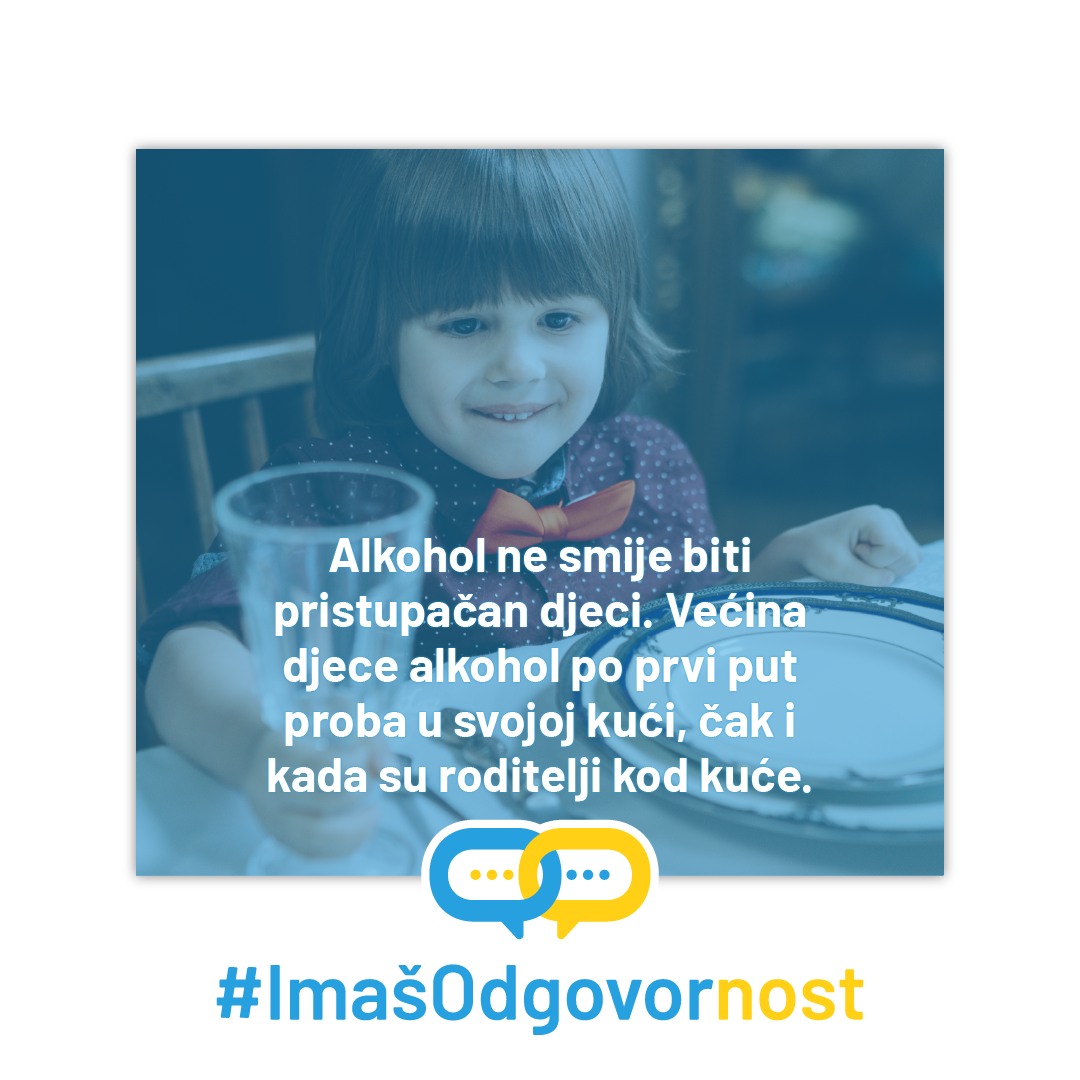


A large number of children who try alcohol for the first time do so at home. How and why? It is accessible to them. While parents are convinced that their children clearly know they should not try it, many studies have shown that accessibility at home is one of the reasons why children try alcohol. Yes, parents, we are not saying you necessarily have to give it to them, but that rum you planned to put in a cake catches children’s attention, prompting them to taste it, drink it, and get drunk.
The most common reasons parents do not lock up alcohol are that their children need to know they should not drink their parents’ alcohol, their child is not problematic, there is trust between parent and child, and that there are many other places where young people can access alcohol. Parents believed that, therefore, young people would not drink alcohol.
Still, most children say it is easy to get alcohol; nearly 72% of those who drink obtain alcohol without having to pay for it. They get it from friends, at parties, or by taking it without permission, and even 25% of respondents were offered alcohol for the first time by parents or other family members.
Some studies have shown that children whose parents allow alcohol consumption at home are three times more likely to get drunk and twice as likely to get seriously drunk between the ages of 12 and 14 compared to children who are not allowed to consume alcohol at home.
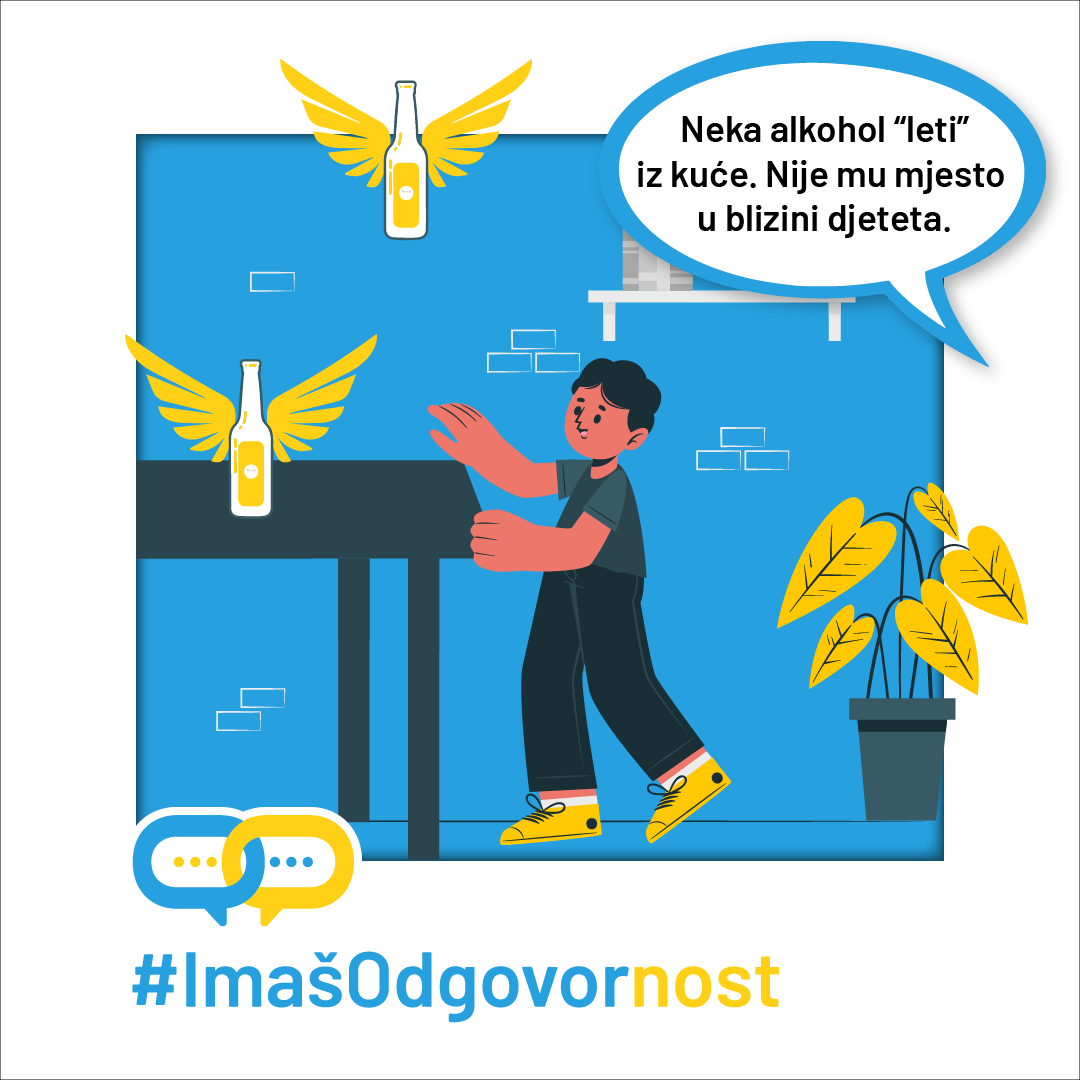
One way to prevent children from drinking is to eliminate easy access to alcohol. Make sure they cannot access alcohol without your knowledge. Unsupervised alcohol, including alcohol stored in a cupboard, basement, or garage, can be a temptation for a child. Locking up alcohol or storing it in a place where young people cannot reach it would be a potential way to limit access to alcohol at home. If alcohol at home is not available to young people, this can also send the message that underage drinking is not acceptable. Birthday parties or other gatherings of children at home should be strictly under parental supervision. Because, even though parents do not have to be the primary source of alcohol for children, home is the primary place for alcohol consumption.